
In the era of hyper-optimized supply chains, global retail networks and massive fulfillment centers demand advanced structural solutions to maximize space utilization index (SUI) and efficiency.
Traditional retail display shelves have evolved far beyond mere product holders. Today’s commercial shelf architectures integrate high-density load calculations, visual merchandising physics, and automated micro-fulfillment compatibility. As supermarkets transition to hybrid models featuring walk-in customer zones and backroom dark-stores, the line between heavy-duty industrial warehouse racking and commercial supermarket shelves has blurred.
Modern B2B procurers require storage installations capable of supporting massive loads (ranging from 100kg to over 3000kg per level) while maintaining complete safety compliance, seismic resilience, and rapid spatial reconfigurability. This shift places high pressure on engineering precision, material standards, and finishing quality.
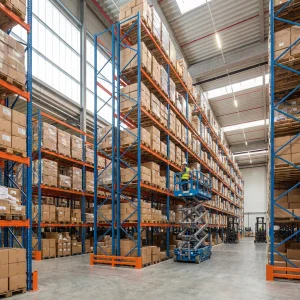
To survive in the modern e-commerce and brick-and-mortar retail landscapes, businesses must run inventory strategies that rely on multi-tier mezzanines and high-span racking networks. Maximizing vertical clearance height prevents expensive square-footage expansions and ensures seamless material handling flow.
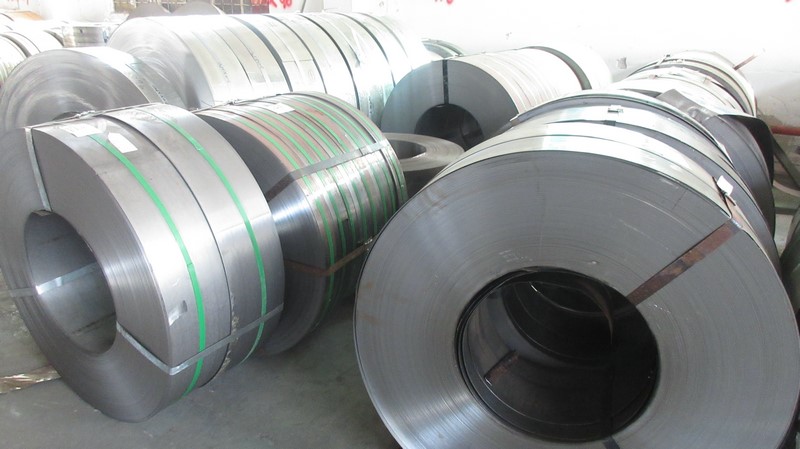
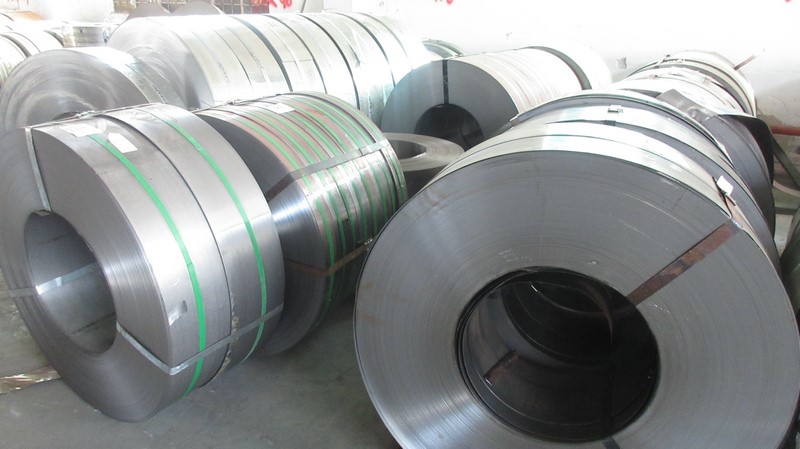
Industrial infrastructure demands compliance with global testing criteria. High-quality Q235B carbon steel raw materials, multi-stage pickling, automated powder coating, and load factor calculation (safety margins ranging from 1.5 to 2.0) are mandatory requirements for global distributors.
Operating out of Guangdong, the industrial heartland of South China, allows us to enjoy direct integration with top-tier steel suppliers, advanced surface treatment facilities, and direct shipping lines from major ports like Guangzhou and Shenzhen. This significantly lowers logistics costs and speeds up international container turnarounds.
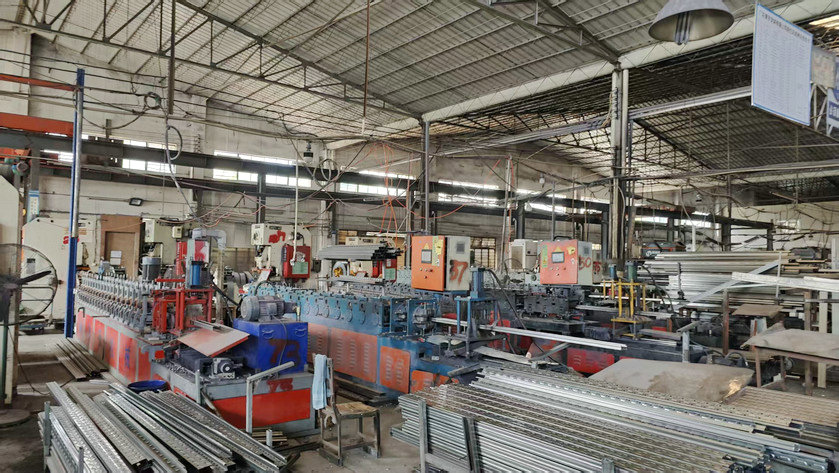
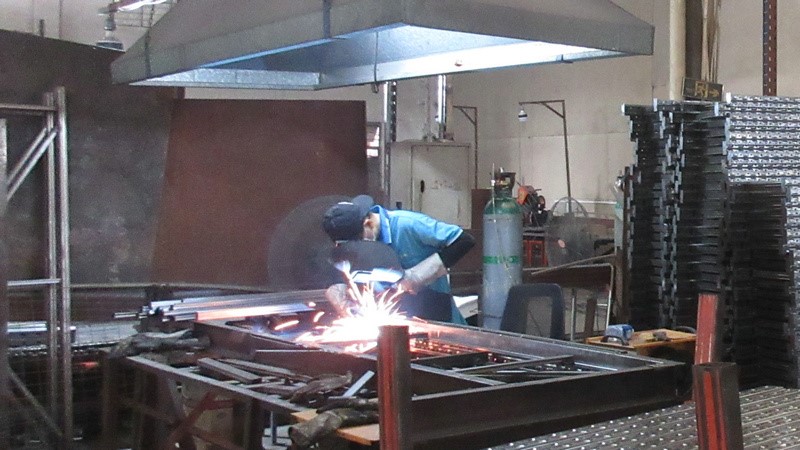
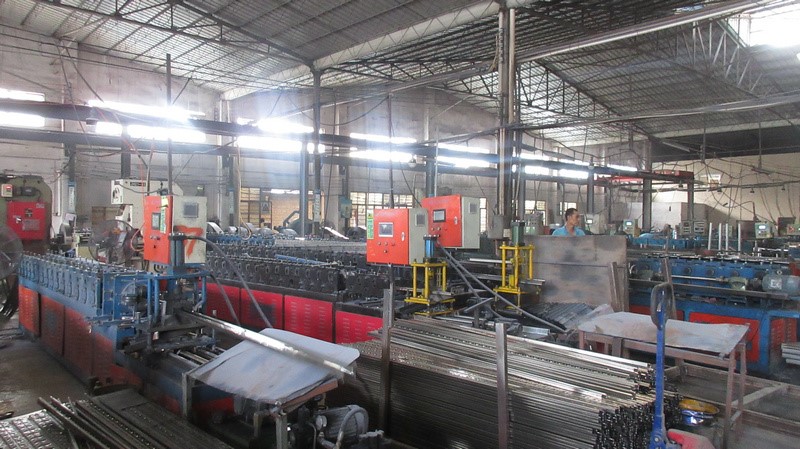
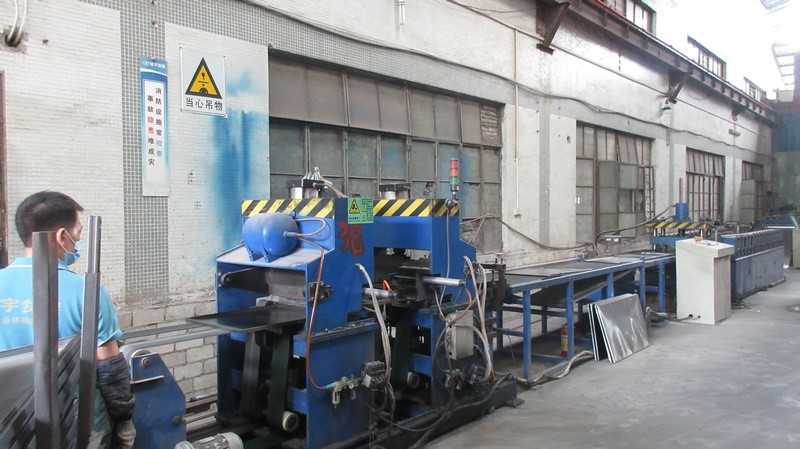
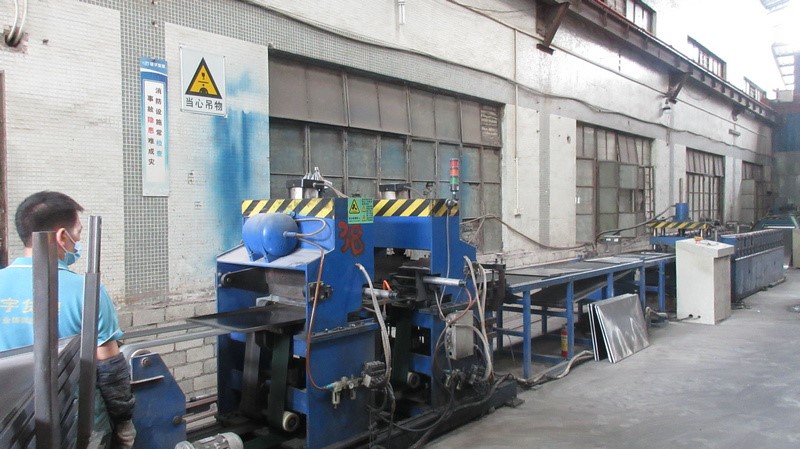
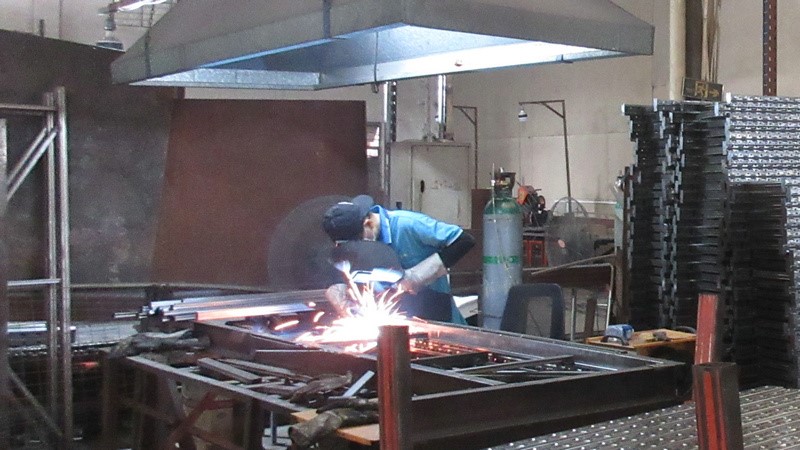
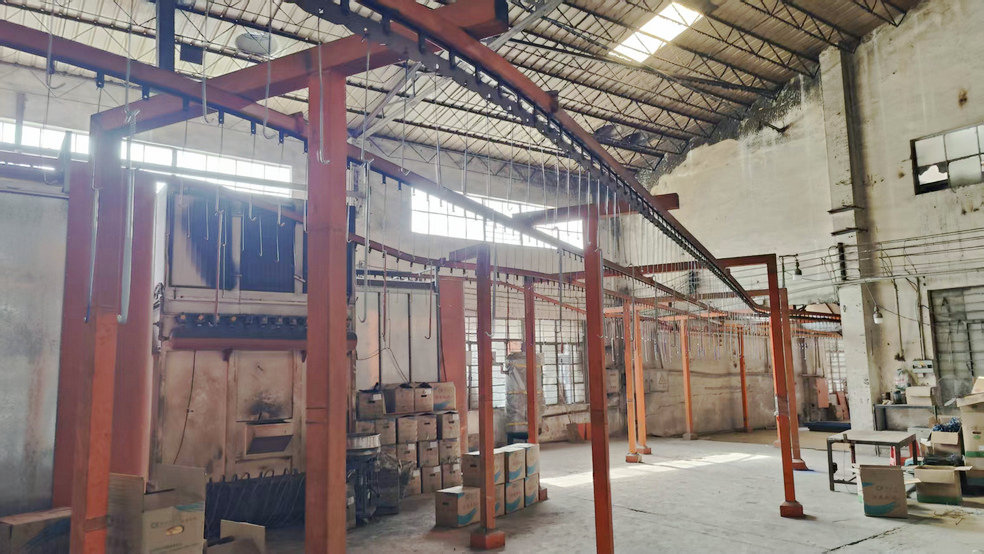
Our manufacturing framework is engineered to eliminate overhead waste. By employing automated roll-forming machines, continuous robot-welding lines, and advanced vertical powder-spraying booths, we offer our clients a distinct pricing advantage without compromising structural safety or thickness tolerances.
The combination of dense raw material supply chain clusters, continuous technological automation, and skilled mechanical engineers makes Chinese manufacturers the global benchmark for heavy-duty shelving systems.
China's production model is built on massive scale economies and highly optimized logistics infrastructure. Manufacturers like Guangdong Maobang Storage Equipment deliver fully custom product runs—ranging from custom dimensions and load ratings to dynamic configuration changes—at lead times that regional localized fabricators cannot match.
Founded in 2016, Guangdong Maobang Storage Equipment Co., Ltd. has established itself as an authoritative manufacturer and exporter of warehouse racking systems, industrial storage solutions, and customized heavy-duty storage equipment.
Our quality management process integrates strict checking procedures: raw material chemical and physical testing, automated welding validation, surface coating film thickness analysis, load capacity deflection testing, and finished product packaging inspection.
With a dedicated R&D team consisting of 85 experienced structural engineers, we specialize in high-capacity warehouse layout planning, seismic calculation modeling, and developing bespoke structural profiles optimized for maximum density.
Having served more than 850 stable supply chain partners worldwide, our export reach extends across North America, Europe, Southeast Asia, the Middle East, South America, and Oceania, satisfying strict regional regulatory frameworks.
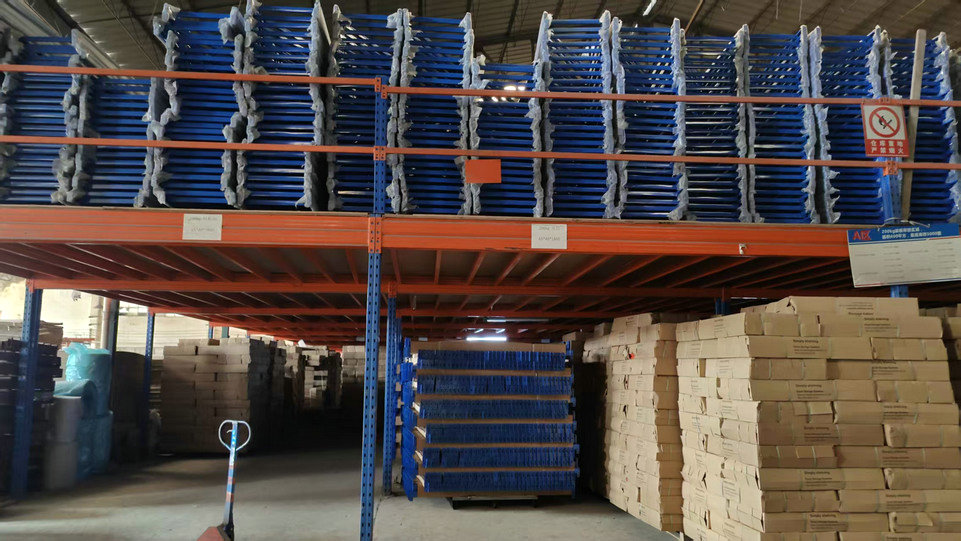
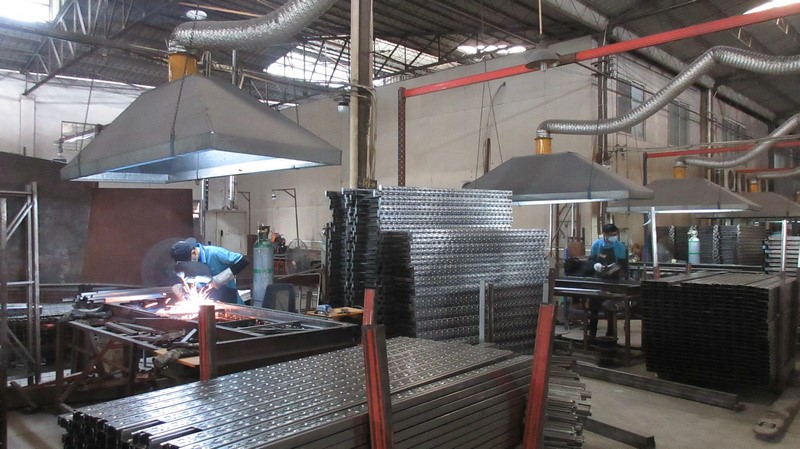
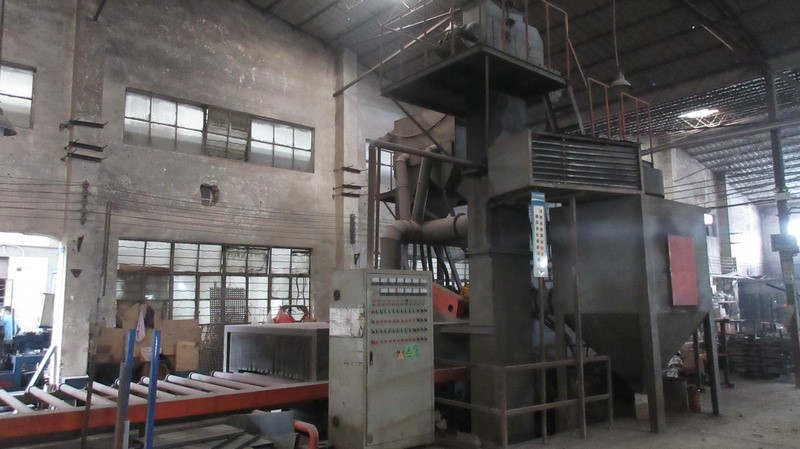
Take a look inside our 18,500㎡ facility. We run precision machinery and follow strict workflow protocols to ensure every upright, beam, and shelf panel matches exact tolerance parameters.
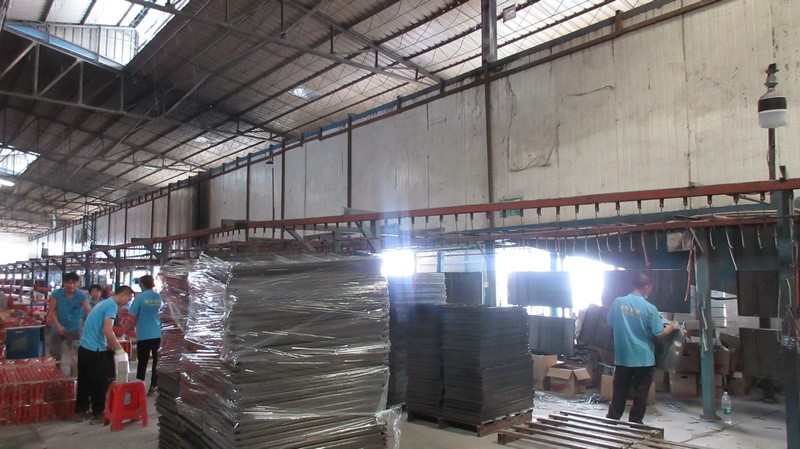
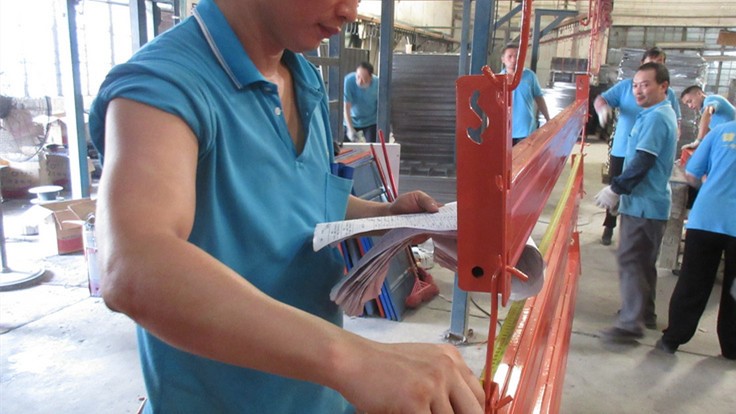
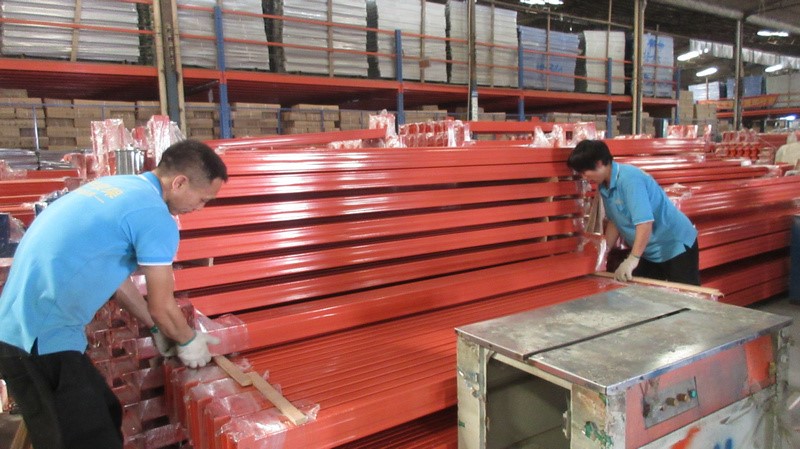
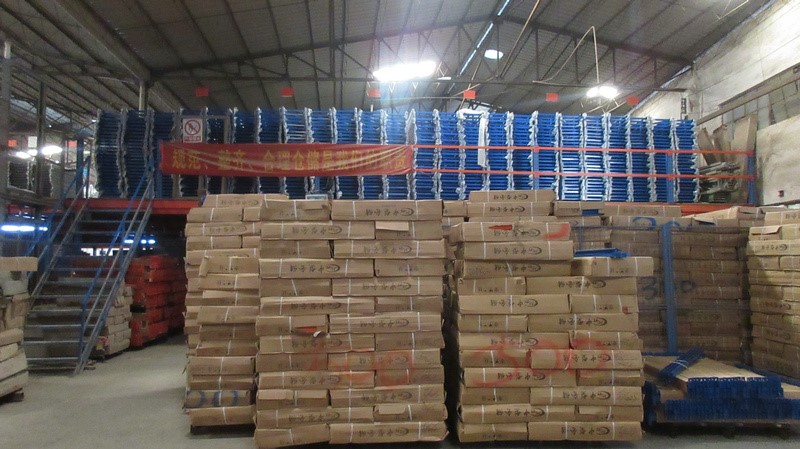
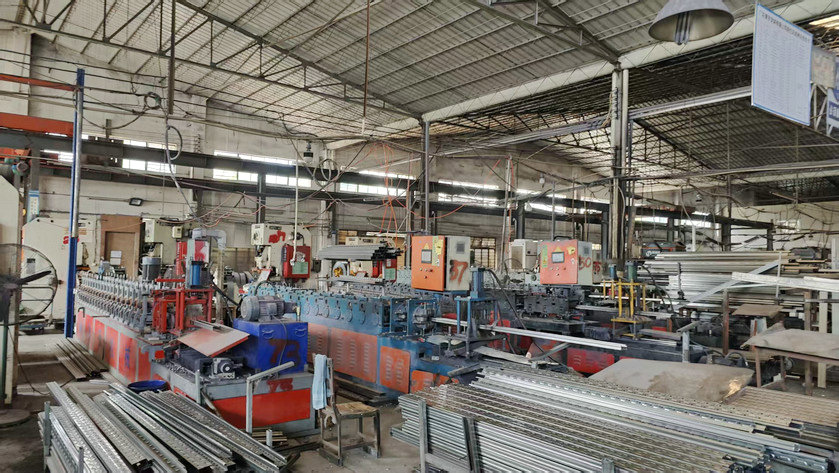
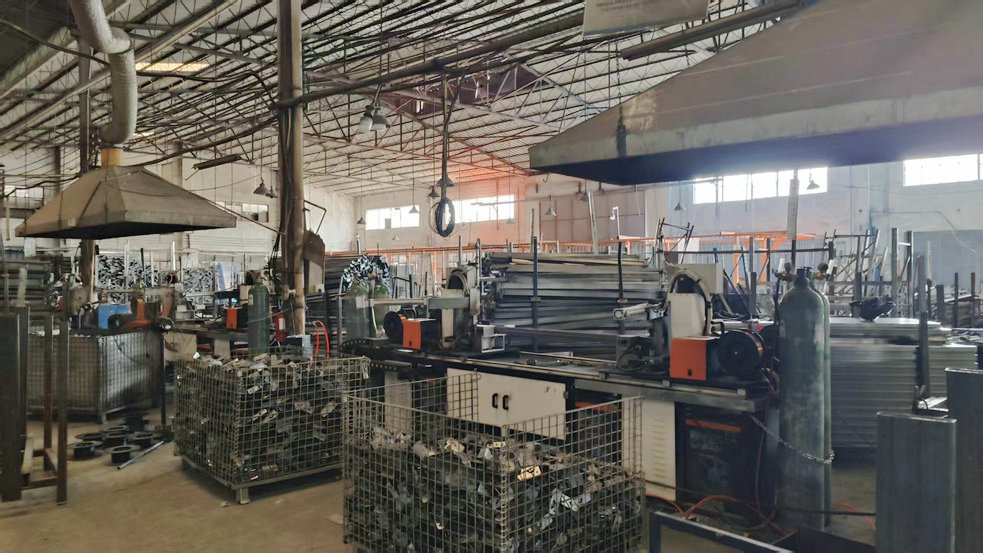
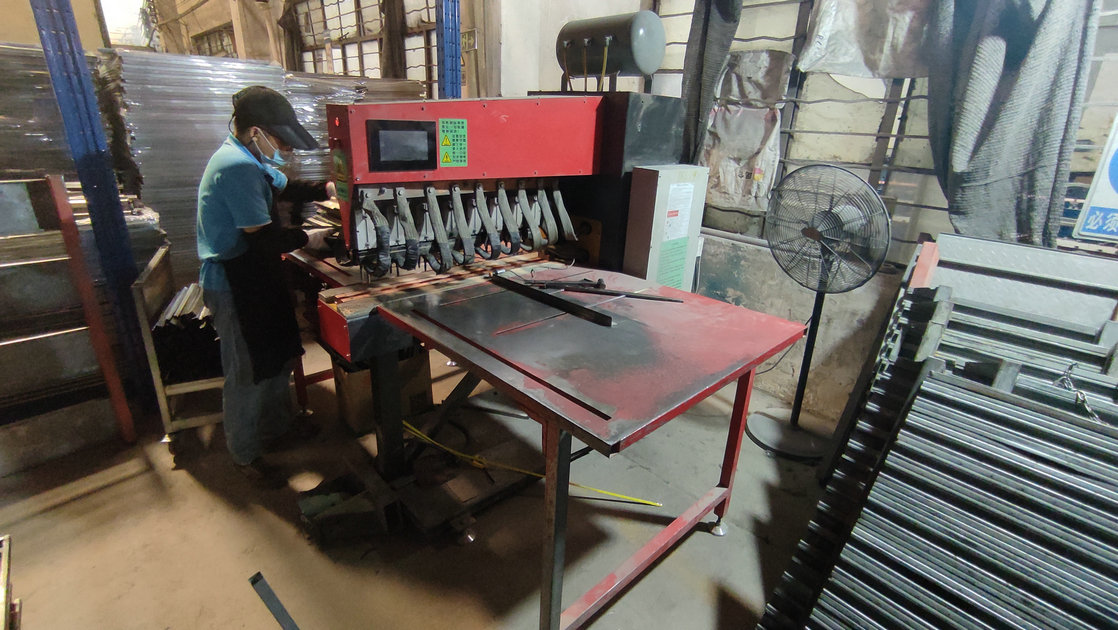
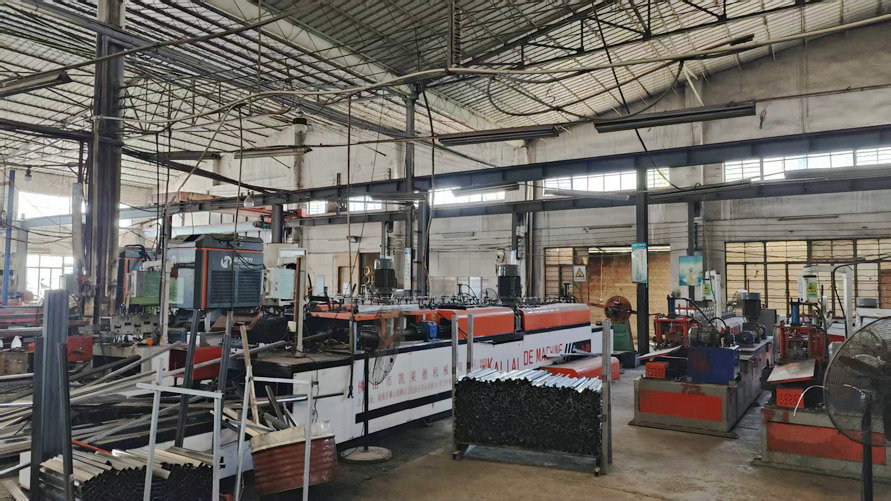
Different regional markets require specialized design iterations. Guangdong Maobang designs and manufactures racking systems compliant with international structural codes.
To meet the stringent standards of safety and load compliance across the European Union, our systems feature robust CE marking and follow FEM 10.2.02 standards. Perfect for distribution centers in Western and Northern Europe demanding long-term corrosion resistance and eco-friendly finishes.
Designed with specific teardrop profile compatibility popular across North America. Engineered to support rapid loading cycles and forklift operations typical of major US and Canadian retail and distribution networks. Features high-tensile strength columns and heavy-duty frame configurations.
Optimized with thick seismic-grade baseplates and enhanced upright frames to survive environmental challenges. Double-coated rust protection profiles make these systems ideal for high-humidity coastal zones in Southeast Asia and rapid-turnover warehouses in the Middle East.
As automated material handling gains traction, standard static shelving systems are integrating with smart sensor nodes, AMR pathways, and eco-certified structures.
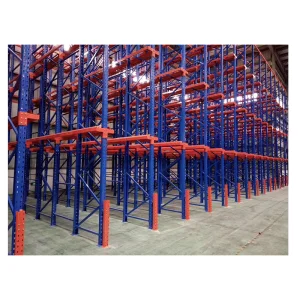
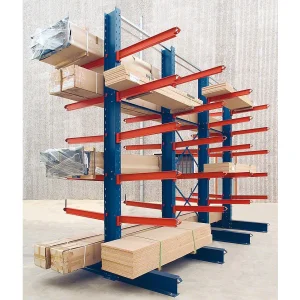
The primary trend in modern warehousing is high-density optimization. Companies no longer want to build wider; they need to store higher. Drive-in systems, multi-tier mezzanines, and smart cantilever systems allow facilities to quadruple their effective cubic storage capacity.
Additionally, sustainability requirements mandate that powder coatings remain 100% free of VOCs (volatile organic compounds) and heavy metals. Guangdong Maobang uses high-grade, non-polluting electrostatic thermosetting powders that offer superior scratch resistance and comply with international environmental protection guidelines.
Our manufacturing tolerancing is kept strictly under ±0.5mm, a necessary requirement to prevent collisions when integrating racking with high-speed automated storage and retrieval robots.
Fast-growing e-commerce operations demand structures that can change on the fly. Boltless beam connectors and adjustable pitch configurations enable quick adjustment to changing SKU profiles.
Get authoritative answers to the most common questions asked by procurement departments and engineering contractors.
We primarily construct our industrial racking profiles from high-strength Q235B carbon steel (equivalent to SS400 or ASTM A36). Every batch of incoming raw material undergoes strict chemical composition analysis and tensile strength testing. To verify load capacity parameters, we perform mechanical load-to-destruction tests on finished profiles and apply structural analysis modeling software to verify safety factors (typically 1.5x to 2.0x safety factor).
Yes. Customization is one of our primary core competencies. Our engineering R&D team consisting of 85 designers can produce custom CAD and 3D mockups based on your warehouse layout, building height, slab load limitations, forklift reach, and pallet sizes. We provide custom upright pitches, beam lengths, thickness variances, and specialized load profiling.
For standard temperature-controlled warehouses, we apply an electrostatic powder-spraying coating that yields a hard, scratch-resistant surface. For high-humidity facilities, chemical processing plants, or sub-zero cold chain storage warehouses, we recommend our hot-dip galvanized finishes or anti-corrosive primer coating. This protects the steel core from oxidation, extending the structural life cycle beyond 10-15 years.
Our quality assurance department includes 45 dedicated inspectors monitoring the production flow. They perform automated ultrasonic flaw detection on welding seams, verify dry film thickness (DFT) on our powder coating line, measure gauge tolerances of roll-formed uprights, and perform random load deflection tests to make sure there are no deformities under structural stress.
Our warehouse platforms and racking structures are CE certified. The design, engineering calculations, and installation tolerances strictly conform to FEM 10.2.02 and EN 15512 codes for the EU market, and meet RMI specifications for the North American market, ensuring smooth approval processes with local health and safety regulators.
Standard order fabrication takes approximately 15 to 25 days depending on the customization volume. To ensure damage-free maritime shipping, all upright columns and horizontal beams are securely bundled, separated by cushioning pads, and wrapped in high-density polyethylene film. Plywood cradles and strapping secure the bundles to prevent shifting in the container during transit.
 Maobang Storage