How to Optimize Pallet Storage for Maximum Efficiency?

Time:2026-08-27 Author:Aria
0%

Pallet storage is crucial for efficient warehouse management. A well-organized pallet storage system can significantly impact productivity. The layout and accessibility of pallet racking should be considered carefully. Many warehouses struggle with wasted space and inefficient workflows.

To optimize pallet storage, one must assess current practices. Evaluating the arrangement of pallets can reveal issues. Are the most frequently accessed items stored at reachable heights? Proper spacing can enhance airflow and safety. Regular audits of pallet conditions also matter. This ensures that damaged pallets do not disrupt the flow.

However, there are common pitfalls in pallet storage strategies. Overloading shelves or ignoring weight limits can lead to accidents. Relying solely on automated systems might overlook human insight. Balancing technology with hands-on management is essential for success. Reflecting on these aspects can drive continuous improvement in pallet storage practices.
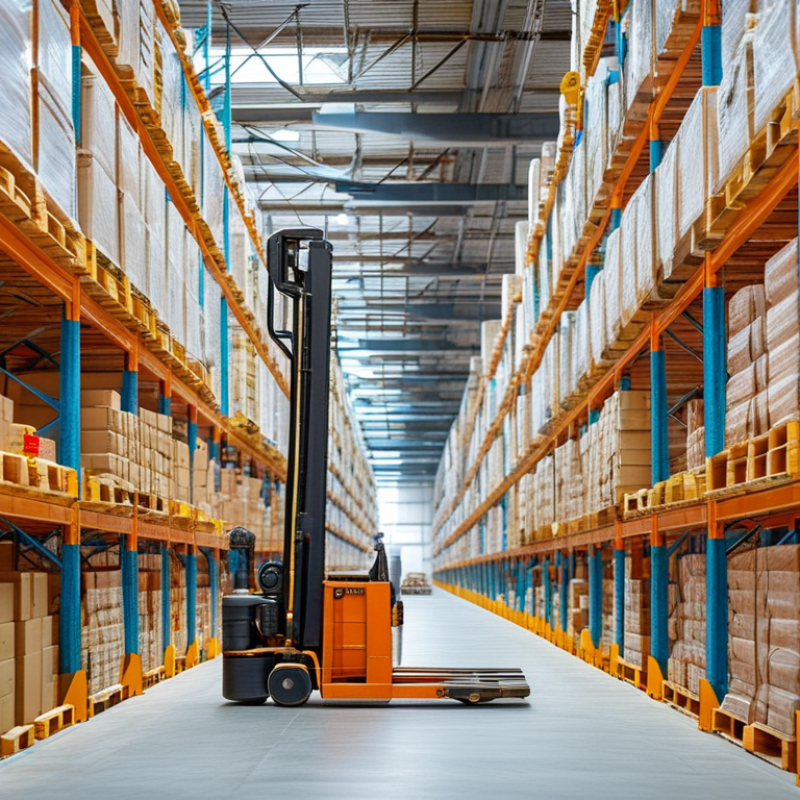
How to Optimize Pallet Storage for Maximum Efficiency?

Understanding the Basics of Pallet Storage Systems

Pallet storage systems are crucial for warehouse efficiency. Understanding their basic elements can lead to significant improvements in space utilization and workflow. Pallet racks can be organized into various designs, including selective, drive-in, and flow systems. Each has its advantages and limitations.

When setting up a pallet storage system, consider the height of your warehouse. Higher storage can maximize space but may complicate retrieval. Ensure that the racking is secured properly. Safety is key, especially in high-density systems. Frequent checks can prevent accidents and damage.

Regularly assess your storage needs. Inventory fluctuations can affect your layout. Adjusting the configuration periodically can enhance access and efficiency. Maintain clear labeling to improve navigation within the warehouse. A clutter-free environment fosters productivity.

Pay attention to the type of pallets used. Different materials and sizes influence storage options. Wood pallets are common but may degrade over time. Metal or plastic alternatives are more durable but can be costlier. It’s essential to weigh the pros and cons of each type before making a decision.

Warehouse Pallet Storage Efficiency

Assessing Your Warehouse Space for Optimal Layout

Assessing warehouse space for optimal pallet storage is crucial for any business. Efficient layout reduces waste and enhances productivity. Start by measuring the space available. Note the dimensions, entry points, and any structural obstacles that could limit storage options. The shape of the warehouse will significantly influence your layout decisions.

Consider the flow of goods. Where do products enter and exit? Use this information to position pallets strategically. Familiarize yourself with different pallet racking systems. High-density storage might work in smaller spaces, while standard racking is more suitable for larger areas. Analyze how often each product is accessed. Place frequently picked items closer to shipping areas to streamline operations.

Reflect on the current setup. Is it working? Are there bottlenecks? Gather feedback from staff. Their insights can highlight issues you might overlook. Regularly reviewing warehouse layout is essential. As inventory changes, your storage solution may need updating. Flexibility can lead to improvements in both efficiency and safety.

Selecting the Right Pallet Racking Types and Configurations

Choosing the right pallet racking type is crucial for optimizing storage efficiency. Different storage needs require specific solutions. For instance, selective racking is ideal for easy access. It allows for quick retrieval of individual pallets. However, it may not fully utilize vertical space. On the other hand, drive-in racking maximizes space but limits accessibility. This configuration works well for high-density storage but can create challenges during inventory rotation.

Consider the layout of your storage area too. Narrow aisles may benefit from double-deep racking systems. They increase storage capacity significantly but require specialized equipment for access. Keep in mind that overspecialization might lead to inefficiencies. If a pallet layout limits flexibility, you may need to reassess your configuration.

Reflect on the weight and dimensions of your pallets as well. Heavy or oversized pallets necessitate sturdier racking systems. You might find that not all configurations are viable. Safety should always be a priority when selecting racking. Regularly check for wear and tear. Your initial choice may need adjustments based on shifting business needs.

Implementing Inventory Management Practices for Efficiency

Efficient inventory management is crucial for optimizing pallet storage. Industry reports indicate that effective inventory practices can reduce storage costs by up to 30%. This leads to significant savings and improved workflow.

Implementing an advanced inventory management system helps track stock levels in real time. According to research from the Warehousing Education and Research Council, businesses using automated systems see a 50% increase in picking accuracy. This not only speeds up operations but reduces errors that could lead to overstock or stockouts.

However, many companies still struggle with inventory control. Some managers underestimate the importance of regular audits. Approximately 40% of warehouses neglect this practice, leading to discrepancies and inefficiencies. It’s imperative to recognize these weaknesses. Engaging in continuous training for staff on new inventory systems can help bridge the gap. Planning for regular reviews aligns with best practices in the industry.

Utilizing Technology for Enhanced Pallet Storage Solutions

Utilizing technology can significantly enhance pallet storage solutions. Advanced inventory management systems can track pallet movements in real-time. This technology reduces errors and improves accuracy. Imagine a warehouse where every pallet's location is known within seconds. This capability can save time and labor costs.

Automated storage and retrieval systems offer another layer of efficiency. These systems can locate and retrieve pallets without human intervention. They maximize space and reduce the chance of damage. However, implementing these systems can be complex and costly. Companies must weigh the initial investment against long-term benefits.

Data analytics also plays a crucial role in optimizing pallet storage. Analyzing storage patterns helps in making informed decisions. It can reveal underutilized spaces or overstocked items. While data can provide insights, over-reliance on technology can lead to challenges. Human oversight is still essential to catch anomalies and ensure smooth operations. Balancing technology and human expertise is key to success.

FAQS

: What are pallet storage systems?

: They are essential for efficiency in warehouses, improving space use and workflow.

What designs do pallet racks come in?

Pallet racks can be selective, drive-in, or flow systems, each with unique advantages.

How does warehouse height affect pallet storage?

Higher storage can maximize space but complicates retrieval and requires secure racking.

Why is regular assessment of storage needs important?

Frequent inventory changes can impact layout; adjusting configurations enhances access and efficiency.

What types of pallets should I consider?

Common materials include wood, metal, and plastic; each has pros and cons to weigh.

How can technology improve pallet storage?

Advanced systems track pallet movements, reducing errors and improving accuracy.

What are automated storage and retrieval systems?

These systems retrieve pallets without human help, maximizing space and reducing damage risks.

What role does data analytics play in pallet storage?

It reveals patterns, identifies underused spaces, but over-reliance can lead to issues.

Is human oversight necessary in pallet storage?

Yes, human checks are vital to catch errors and ensure smooth warehouse operations.

What might be a downside to relying on technology?

Trusting technology alone can cause challenges; balancing it with human insight is essential.

Conclusion

Pallet storage is a critical component of efficient warehouse management, and optimizing this process can lead to significant improvements in productivity and space utilization. Understanding the basics of pallet storage systems is essential, as it allows businesses to assess their warehouse space and design an optimal layout tailored to their specific needs. By selecting the right types of pallet racking and configurations, organizations can maximize vertical space and enhance accessibility.

Moreover, implementing effective inventory management practices is key to ensuring the seamless flow of goods. Utilizing technology, such as warehouse management systems and automated solutions, can further enhance pallet storage efficiency. By integrating these strategies, companies can create a streamlined operation that not only saves space but also improves overall inventory handling.

Aria

Aria

Aria is a dedicated marketing professional with a deep passion for innovative strategies and a keen understanding of our company's product offerings. With a wealth of experience in the industry, Aria excels at crafting engaging content that highlights the unique features and benefits of our......