In the rapidly evolving landscape of logistics and warehousing, the "4-Way Shuttle Storage" system stands out for its efficiency and versatility. According to a recent report by the International Warehouse and Logistics Association, this technology can improve space utilization by up to 80%. Industry expert John Wagner emphasizes its value, stating, “4-Way Shuttle Storage revolutionizes how we manage space and inventory.”
As global buyers seek innovative solutions, the demand for more effective storage systems has surged. Traditional warehousing methods often fall short in maximizing space and optimizing operability. The 4-Way Shuttle Storage system reduces labor costs and increases throughput, making it a strategic choice for many businesses. However, integrating this technology requires careful planning and investment.
While the benefits are clear, it's crucial to consider potential challenges. Companies must evaluate their specific needs to avoid overextending resources. As the market continues to evolve, adapting storage solutions will be essential. The future of warehousing relies heavily on making informed decisions about systems like 4-Way Shuttle Storage.
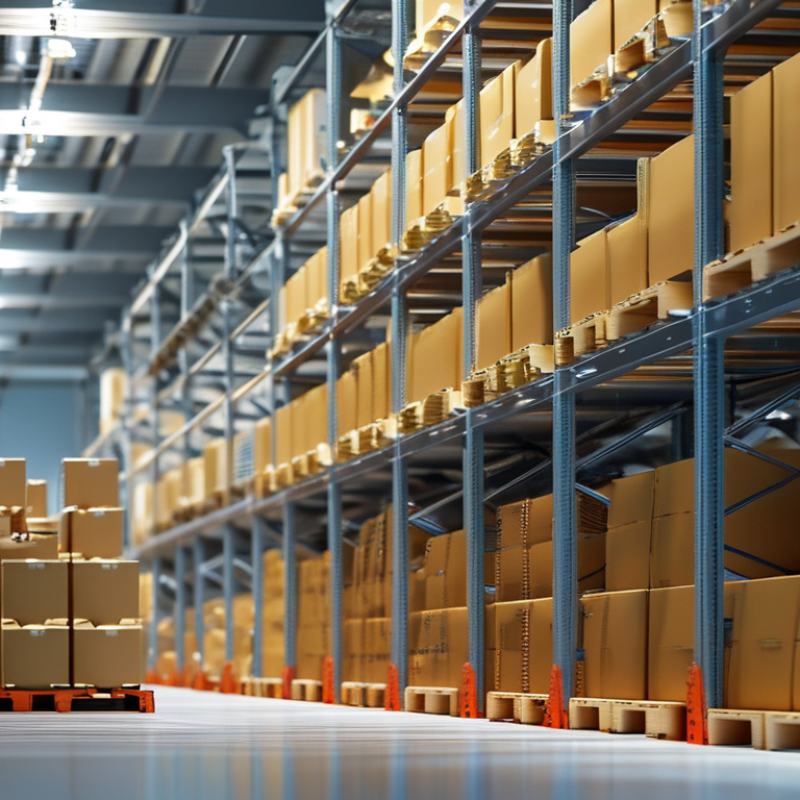
4-way shuttle storage systems have gained significant attention in China, becoming a go-to solution for many warehouses. These systems enhance space utilization and improve inventory management. Their design allows for the efficient movement of goods in multiple directions, thus minimizing handling time.
In Chinese warehouses, the 4-way shuttle can handle various types of goods. It enables storage and retrieval in both high-density environments and intricate layouts. However, implementing this technology isn't without challenges. Some warehouses struggle with proper integration into existing systems. Training staff to operate these sophisticated shuttles can also be a hurdle.
Observation of current practices reveals potential areas for improvement. For instance, some operations overlook routine maintenance, leading to downtime. Others fail to analyze data from these systems, missing opportunities for optimization. Adapting to this technology requires a commitment to ongoing learning and evaluation. This ensures the systems consistently meet the evolving demands of the logistics landscape.
In recent years, shuttle storage solutions in China have gained significant traction among global buyers. These systems enhance warehouse efficiency through automated retrieval. Reports indicate that the shuttle storage market is expected to grow by 10% annually. Advanced technology contributes to reduced labor costs and improved inventory accuracy.
One key feature of leading shuttle systems is their scalability. Businesses can expand storage capacity without major infrastructure changes. Additionally, these solutions often employ intelligent software, enabling real-time tracking of inventory. Such tools provide valuable insights into stock levels and order fulfillment rates. However, some companies face challenges in integrating new systems with existing processes.
Energy efficiency is another important aspect. Many Chinese manufacturers focus on developing eco-friendly options. These systems typically consume less power, which aligns with global sustainability goals. Yet, potential buyers must carefully assess the initial investment versus long-term savings. Despite the promising features, not all providers offer optimal support and service, causing some installations to fall short of expectations. Such factors merit reflection for any organization considering an upgrade.
| Feature | Specification | Benefits | Capacity (Tons) |
|---|---|---|---|
| Modular Design | Customizable sizes and setups | Flexibility for various warehouse layouts | 5 - 20 |
| Automated Retrieval | Robotic systems for storage and retrieval | Increased efficiency and reduced labor costs | 10 - 30 |
| Space Optimization | High-density storage capability | Maximizes storage in limited space | 3 - 15 |
| Integration Capabilities | Compatibility with existing management systems | Seamless transition and operation | 5 - 25 |
The implementation of 4-way shuttle storage systems offers significant advantages for global buyers. These solutions maximize space utilization in warehouses. They allow for flexible storage configurations that adapt to various product types. This adaptability leads to improved efficiency in inventory management. In crowded warehouses, this can be a lifesaver.
Cost savings are another major benefit. Automated systems reduce labor costs and minimize human error. The precision of shuttles enhances picking accuracy, which is crucial for fast-moving goods. However, potential drawbacks exist. Initial investment costs can be high, and training staff on new technologies requires time and resources.
Global buyers also notice enhanced operational speed. 4-way shuttle systems improve load and unload times. This rapid turnover is essential in today’s fast-paced market. Yet, relying heavily on technology can be risky. System failures may lead to delays, requiring backup strategies. Embracing 4-way shuttle storage means weighing these benefits against potential challenges.
China has become a leading hub for 4-way shuttle storage solutions. This growth attracts global buyers seeking efficient and innovative logistics options. As of 2023, the global market for automated storage solutions is expected to reach $9 billion. A significant portion of this growth is driven by advancements in technology and increasing demand for warehouse automation.
In examining key manufacturers, several trends stand out. Many companies have integrated AI and IoT capabilities into their systems. This integration enhances efficiency and reduces operational costs. For instance, a report by industry analysts shows that automated systems can increase storage capacity by up to 50%. However, not all manufacturers meet these standards. Some still rely on outdated technologies, which could lead to inefficiencies.
Quality varies widely across manufacturers. Buyers must scrutinize product specifications closely. Poorly designed systems might save money initially but can result in higher long-term operational costs. Additionally, service support and maintenance should not be overlooked. Reports highlight that over 30% of users experience issues with after-sales service. This reality emphasizes the need for buyers to research and assess their options carefully.
Shuttle storage technology is evolving rapidly. It enhances warehouse efficiency and optimizes space. Emerging trends focus on automation and AI integration. These innovations aim to streamline operations, reducing human error in inventory management.
The increasing demand for faster delivery drives these advancements. Automated systems can operate around the clock, managing goods with precision. However, reliance on technology raises questions about security and maintenance. As shuttles become more complex, the need for skilled technicians grows.
Sustainability also plays a role in future trends. Eco-friendly materials and energy-efficient systems are gaining traction. This shift compels manufacturers to rethink production methods. Investing in sustainable practices may be challenging, yet necessary. Balancing innovation with reliability remains a key concern.
: It is a system that allows goods to move efficiently in multiple directions within a warehouse.
It maximizes space by enabling flexible storage configurations for different product types.
Yes, challenges include integration into existing systems and training staff on operation.
Regular maintenance is crucial to prevent downtime and ensure smooth operation.
Yes, it is designed to accommodate different types of goods in high-density environments.
Global buyers benefit from cost savings, improved efficiency, and enhanced operational speed.
System failures can cause delays, so it’s important to have backup strategies in place.
It enhances picking accuracy, crucial for fast-moving goods, leading to better inventory control.
Yes, the initial investment can be significant, requiring careful consideration.
Continuous evaluation ensures that the system meets evolving logistics demands effectively.
The article explores the advancements in 4-Way Shuttle Storage systems in China, highlighting their key features and benefits for global buyers. With an overview of how these systems operate, the article emphasizes their efficiency in maximizing space utilization and streamlining warehouse operations. The comparative analysis of top manufacturers in the region reveals a competitive landscape marked by innovation and technology.
Furthermore, the future trends in shuttle storage technology suggest ongoing enhancements in automation and integration with smart warehouse solutions. This positions 4-Way Shuttle Storage as a pivotal solution for businesses seeking to optimize their logistics and supply chain operations, catering to the growing demand for efficiency and flexibility in storage solutions worldwide.

Maobang Storage